



For anyone who leads an active lifestyle, getting enough protein is key to feeling strong, recovering well, and supporting the body day after day. But just as important as how much you eat is when to take protein, and understanding the best time to include it throughout the day can make a big difference in how your body performs and recovers.
Why Distribute Your Proteins Throughout the Day
When it comes to supporting an active lifestyle, daily protein intake isn’t just about quantity; timing matters too. According to sports dietitian Jennifer Sygo, one of the most effective habits for maintaining and rebuilding muscle mass is to spread your protein sources evenly throughout the day.
Instead of focusing all your protein at dinner, aim to include some at breakfast, lunch, dinner, and in protein-rich snacks throughout the day. This approach helps your body better use those proteins to contribute to muscle maintenance, especially if you’re active. If you’ve completed a tough workout, that’s a particularly important time to consume protein, as it can support your body’s recovery process and help prepare it for the next day’s effort.
Here are some easy ways to add protein to your day:
- Breakfast: Add Greek yogurt to your smoothie or enjoy eggs with whole-grain toast.
- Lunch: Include chicken, tofu, or legumes in salads or wraps.
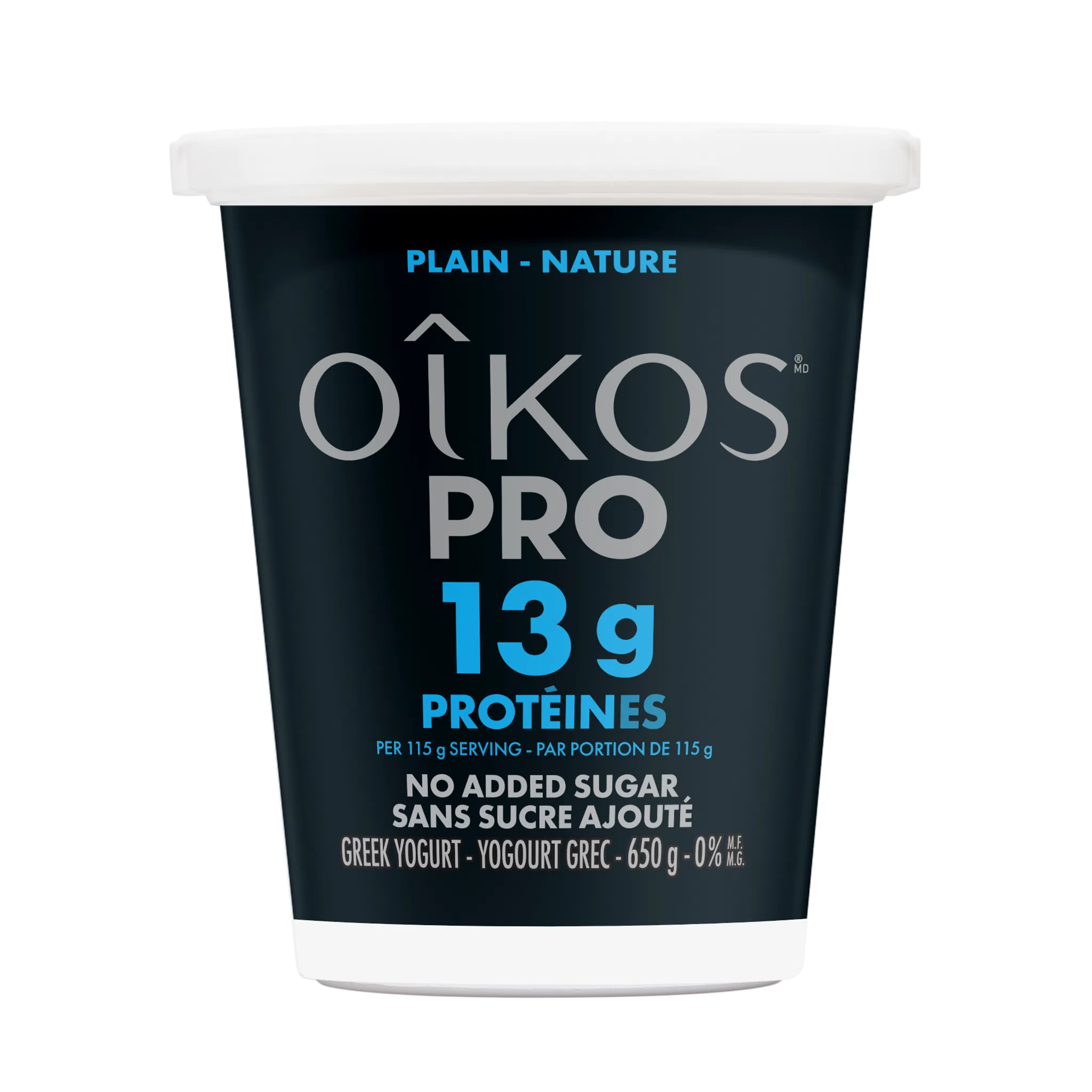
- Snack: Reach for a handful of nuts, a protein bar, or ¾ cup of Oikos Pro.
- Dinner: Choose a lean protein like salmon, lentils, or a stir-fry with tempeh.
There’s no single best time to consume protein, but consistency is key; making protein part of every eating occasion ensures your body has what it needs when it needs it. Including something like ¾ cup of Oikos Pro*, which contains 19 grams of protein, is an easy way to help you meet your needs after exercise or as part of a balanced meal.
By including protein in multiple meals and snacks, you also avoid long gaps without protein, which can be especially helpful for achieving your total daily protein needs. This routine is easy to apply and doesn’t require counting or tracking, just small adjustments that help reinforce your body’s natural repair and rebuilding processes after physical activity.
*Oikos Pro is a source of protein. Protein helps build and repair body tissues.
How much protein to consume at each meal?

While overall protein intake throughout the day matters, dividing it evenly across meals can help your body better absorb and use it, especially for muscle growth and repair. Sports dietitians often suggest aiming for at least 20 grams of protein per meal, a target that supports muscle recovery.
This doesn’t require complicated tracking or overthinking how much protein you should eat. One simple way to meet that target is with ¾ cup of Oikos Pro Greek yogurt*, which contains 19 grams of protein. It’s a practical option you can mix into a breakfast smoothie, layer into a yogurt and fruit parfait, or use as a protein base for a snack or post-workout recovery bowl.
Some people wonder whether consuming too much protein at once is an issue. While the body does have a limit to how efficiently it uses protein at a given time, getting enough protein is more important, especially when you’re active. The goal is balance and consistency, choosing the type of protein that fits your needs and lifestyle, and spacing it across the day in amounts your body weight and activity level can benefit from.
What’s helpful about aiming for 20 grams per meal is that it creates a simple reference point that can be applied across different eating patterns. Whether you’re building a full meal or a small recovery snack, having that number in mind makes it easier to adjust portions without needing to track every detail, especially when your schedule or appetite varies from day to day.
*Oikos Pro is a source of protein. Protein helps build and repair body tissues.
What does 20g of protein look like?
| Food Item | Portion Size | Approx. Protein (g) |
| Oikos Pro Greek Yogurt (plain) | ¾ cup (175 g) | 19 g |
| Cooked chicken breast | 85 g (3 oz) | 26 g |
| Firm tofu | 150 g | 19–20 g |
| Cooked lentils | 1 cup | 18 g |
| Canned tuna (in water) | ½ can (85 g) | 20 g |
| 2 large eggs + 1 slice whole grain toast | 2 eggs + 1 slice | 20 g |
| Protein smoothie (with protein powder) | 1 serving (varies) | 20 g (varies) |
| Hummus + whole grain pita | ½ cup hummus + 1 pita | ~13–15 g (combine with other items) |
Note: Values are approximate and can vary depending on brand, preparation method, and ingredient combinations.
What Is a Complete Protein and Why It’s Essential
Proteins are made up of amino acids, often described as the “building blocks” of the protein. Among these, nine are essential amino acids, meaning the body can’t produce them on its own. To meet your needs, you have to eat protein sources that contain these amino acids. Examples of complete protein sources are milk, yogurt, eggs, chicken, and fish.
Meeting your daily protein requirements is what supports your body’s ability to repair tissue and build muscles, in combination with regular resistance training. Eating sources of complete proteins, which contain all nine essential amino acids, is an efficient way to help build strong muscles . By distributing your protein intake across meals and enjoying a variety of high-quality sources, you can effectively meet your needs and support your muscles without overcomplicating your routine.
For people with higher activity levels, choosing complete proteins can also help simplify meal planning, since they deliver all the essential amino acids in a single source.
This can be especially helpful when building meals around exercise or recovery windows, where time and convenience matter. While it’s still valuable to include a variety of protein sources in your routine, including both plant and animal-based foods, having some go-to options that are naturally complete gives you more confidence that you’re getting what your body needs. Whether you’re preparing a quick lunch or grabbing a post-workout snack, complete proteins make it easier to support your overall intake without needing to combine multiple ingredients to achieve a complete amino acid profile.
In Summary: Aim for Regularity and Complete Proteins
Instead of focusing on just one meal or one food, the goal is to distribute your protein intake evenly throughout the day. Choosing complete protein sources and paying attention to dividing your protein evenly throughout your daily meals and snacks can support muscle recovery after resistance exercises, especially for highly active individuals.