




Getting enough protein is key to staying active, helping your muscles bounce back and your body keep up. Knowing the function of proteins is a great first step toward building balanced meals that work for your lifestyle.
Why Do We Talk So Much About Protein?
Protein plays a central role in the body, especially for people who are active. As sports dietitians often explain, protein is the fundamental building block of muscle mass and supports the repair and regeneration of body tissues after physical activity. When you train, exercise intensely, or push your muscles in any way, small amounts of muscle damage naturally occur. Protein helps your body rebuild these tissues so you can recover and continue performing your usual daily activities and the exercise you enjoy.
One reason protein is essential is because of its unique structure. Proteins are made up of amino acids that fold into specific shapes, allowing them to carry out a wide range of functions in the body, from building muscle tissue to supporting immune function and transporting nutrients. In the context of recovery and physical activity, proteins act as repair agents, helping restore muscle fibres after they’ve been stressed through exercise.
This is why protein is frequently highlighted in conversations about sports nutrition: regardless of the type of protein you choose, ensuring you get enough of it is essential for anyone who leads an active lifestyle.
How to Balance Your Macronutrients Without Complicating Your Life
You don’t need to be a professional athlete, or track every gram of food, to eat in a balanced way. For active individuals, a simple and effective strategy is to use the plate method. This approach helps you visualize how to divide your meals or snacks to ensure an adequate intake of protein content, carbohydrates, and fats, without overthinking it.
Here’s how it works:
- Fill ¼ of your plate (or bowl or smoothie) with a protein food, such as Greek yogurt, tofu, or eggs. For a smoothie, Oikos Pro Greek yogurt is a convenient option that offers a smooth texture and a source of protein.
- Another ¼ of your plate should come from whole grains, which provide carbs for energy, and contain fibre too. In a smoothie, that might mean adding oats or a banana for energy.
- The remaining ½ of your plate is reserved for fruits and vegetables. Think berries, spinach, kale, ingredients that add a range of essential vitamins and minerals, and fibre.
Don’t forget healthy fats. While you don’t need large amounts, fats contribute to satisfaction and help with the absorption of certain vitamins. A spoonful of almond or peanut butter in your smoothie is an easy way to add them.
Balancing your meals this way supports a more complete diet. Different sources of protein contain different levels of amino acids, so include a variety throughout your daily meals and snacks to ensure you get enough. With just a few visual cues, you can cover all your macronutrient needs, no calculator required.
Even if you’re not counting every macro, it’s still helpful to be mindful of the amount of protein you’re including throughout the day. While individual needs vary, most active people benefit from spreading their grams of protein across meals and snacks.
Once consumed, proteins are broken down into amino acids and reassembled inside the body through a process called protein folding, which gives each protein its shape and, importantly, its specific function, whether that’s building muscle, supporting enzymes, or contributing to immune health. Getting a balanced mix of macronutrients, including high-quality protein, helps ensure those functions are properly supported.
What Is a Complete Protein?
Not all proteins are created equal, some provide more of what your body needs than others. To understand why, it helps to know that protein in foods is made up of smaller units called amino acids, which are often described as the building blocks of the protein. Think of them like bricks in a wall that support the structure, function, and repair of muscles and other tissues.
Among the many amino acids, there are nine that are considered essential, meaning your body can’t produce them on its own. These types of amino acids must come from the foods you eat, which is why choosing the right protein foods matters.
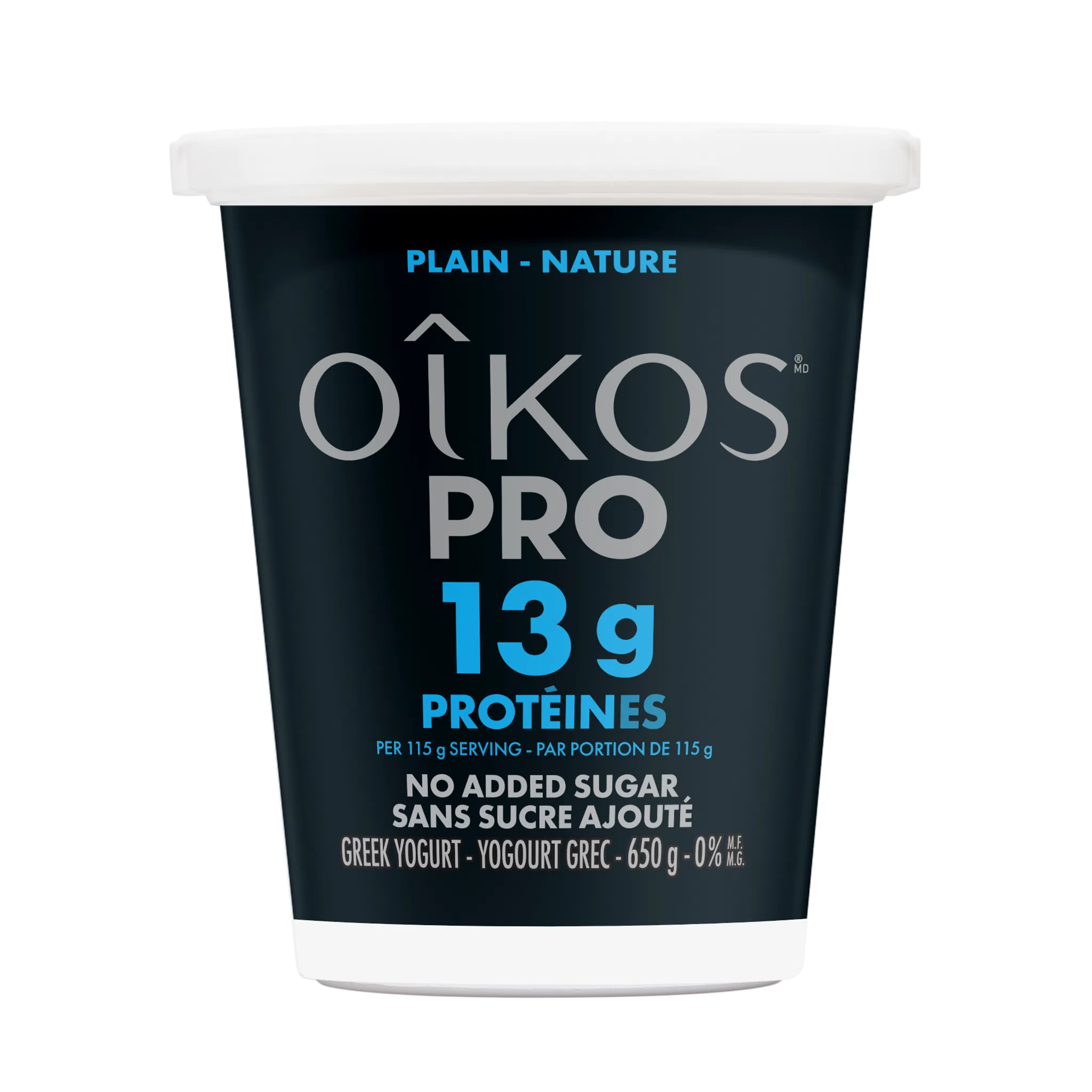
When food contains all nine of these essential amino acids in the sufficient amounts, it’s called a complete protein. Some plant-based proteins can provide these when eaten in variety and combination, and animal-based sources, like dairy, offer a more direct route. For example, Oikos Pro Greek yogurt* is made with dairy proteins**, which are complete proteins. That makes it a simple and practical way to support your protein intake, especially after physical activity when your muscles need to recover and rebuild.
Different protein sources belong to various classes of proteins, each with their own role in the body. Whether they come from plants or animals, proteins provide more than just muscle support, they contribute to enzymes, hormones, and immune responses. Their ability to do this depends on their unique structure and function, both of which are shaped by the specific amino acids they contain. This is why complete proteins, which offer all essential amino acids in one food, are especially helpful in supporting the body’s daily needs.
*Oikos Pro is a source of protein. Protein helps build and repair body tissues.
**Dairy proteins are complete proteins.
Complete vs. Incomplete Proteins: What You Need to Know
| Protein Type | Food Examples | Contains All 9 Essential Amino Acids? | Key Info |
| Complete Proteins | – Dairy (Greek yogurt, milk, cheese) – Eggs – Meat, poultry – Fish – Soy (tofu, tempeh, edamame) | ✅ Yes | Provide all essential amino acids in one source |
| Incomplete Proteins | – Legumes – Whole grains – Nuts and seeds – Some vegetables | ❌ No | Can be combined throughout the day to cover amino acid needs. Plus, they provide vitamins, minerals and fibre |
Tip: A varied diet that includes both plant and animal sources can help you meet your daily protein and amino acid needs, no complicated tracking required.
In Summary: Aim for the Variety and Quality of Proteins
At the end of the day, getting enough protein doesn’t have to be complicated. Mix it up, keep it balanced, and enjoy the process.

